Exploring Northwest Florida’s Wildlife Sanctuaries
Across Northwest Florida, wildlife sanctuaries and rescue organizations are offering more than just care for injured and orphaned animals, they’re creating meaningful opportunities for the community to connect with nature in hands-on, lasting ways.
From sea turtles and songbirds to birds of prey, mammals and even rescued exotic animals, these organizations share a common mission: to rehabilitate wildlife whenever possible, provide lifelong care when needed and inspire a deeper understanding of the natural world.
Whether through guided tours, volunteer programs, educational encounters or behind-the-scenes rescue work, each organization plays a unique role in protecting the region’s diverse ecosystems while inviting families, students and residents to become part of the effort to help conserve them for future generations. Here’s a closer look at some of the wildlife sanctuaries and rescue organizations leading the way in Northwest Florida.
Navarre Beach Sea Turtle Conservation Center
Since opening in 2013, the Navarre Beach Sea Turtle Conservation Center (NBSTCC) has become a hub for conservation, education and community involvement along the Gulf Coast.
Founded through grassroots community efforts, the nonprofit’s mission is to protect threatened and endangered sea turtles through research, education and hands-on conservation initiatives.
“Some of the most meaningful moments happen when families learn, explore, and serve together,” NBSTCC Marine Biologist, COO and Animal Team Care Manager Alex Fox said. “At the NBCTCC, we provide opportunities for visitors to connect with nature, discover the importance of conservation, and become part of something bigger than themselves. Every educational program, volunteer hour, and family visit helps create future advocates for our coastal ecosystems.”
At the heart of the center is Sweet Pea, a non-releasable green sea turtle whose story helps visitors better understand the challenges sea turtles face and the difference people can make in protecting them.
Community involvement plays a major role in the center’s success. One of its most popular initiatives is the monthly Trash Bash, a volunteer-driven beach cleanup and citizen science program held on the last Saturday of each month. Participants help remove and catalog marine debris from Navarre Beach, collecting valuable data that contributes to broader conservation efforts while helping protect sea turtles and other coastal wildlife. Since its launch in 2013, the program has removed thousands of pounds of debris from local shorelines.
The center also offers a variety of volunteer opportunities for adults (ages 18 and older) interested in conservation, including animal care, outreach, special events, visitor engagement and educational programs. As a largely volunteer-powered organization, community support is essential to advancing its mission.
For families, NBSTCC offers unique experiences that bring marine conservation to life. Guests can meet resident animals, explore interactive exhibits and participate in behind-the-scenes programs designed to inspire curiosity about the natural world.
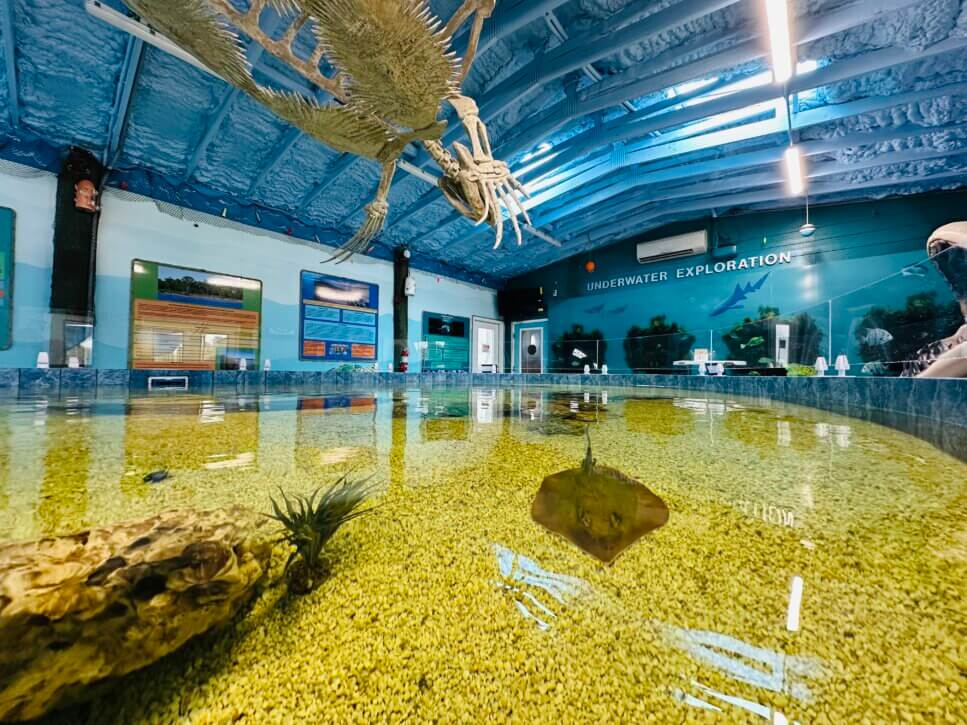
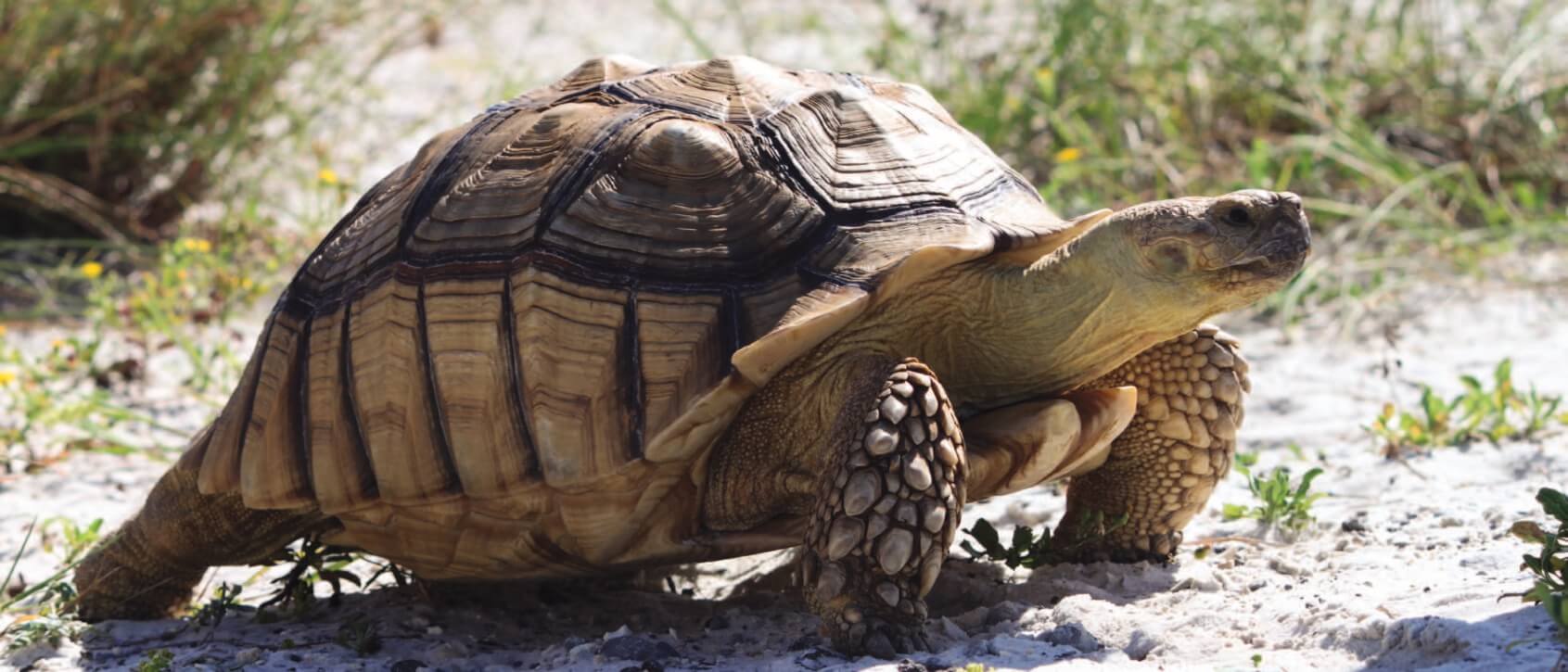
Popular experiences include Painting Tortoise Tracks with Safari the African spurred tortoise, where participants create a one-of-a-kind work of art alongside the center’s charismatic resident tortoise and the Honorary Animal Care Team Member program, which provides a behind-the-scenes look at caring for rescued animals. Shark School and the Shark Tooth Treasure Hunt offer additional hands-on opportunities for children to learn about marine life, conservation and the fascinating creatures that call the Gulf Coast home.
Whether joining a beach cleanup, volunteering behind the scenes or spending an afternoon meeting Sweet Pea and the center’s animal ambassadors, visitors of all ages can play a role in helping give sea turtles and countless other marine species more tomorrows.
The NBSTCC welcomes visitors and volunteers Tuesday through Saturday, operating from 10 am to 4 pm during its summer season (March 1 to October 31) and from 11 am to 4 pm during the winter season (November 1 to February 28). For more information on programs, volunteer opportunities and other ways you can support the NBSTCC, visit navarrebeachseaturtles.org.
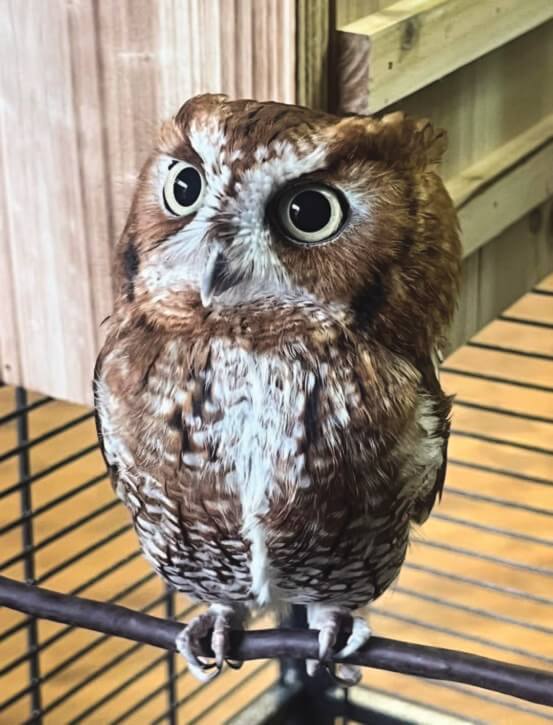
Wildlife Sanctuary of Northwest Florida
For more than 40 years, the Wildlife Sanctuary of Northwest Florida (WSNF) has been giving injured and orphaned native wildlife a second chance. Since opening in 1982, the nonprofit has cared for thousands of animals, from bald eagles, hawks and owls to raccoons, opossums and squirrels.
Serving as a wildlife hospital, nursery and educational facility, WSNF rehabilitates injured animals for release whenever possible while providing lifelong care for those unable to survive in the wild.
The sanctuary treats nearly 4,000 wildlife patients each year, with spring and summer bringing an influx of young animals and nesting birds.
If you encounter an injured or orphaned wild animal, WSNF accepts wildlife intakes seven days a week from 8 am to 5 pm and encourages residents to call ahead for guidance.
Beyond its rehabilitation efforts, WSNF serves as an important educational resource for the community. The sanctuary is home to dozens of non-releasable resident animals, including bald eagles, hawks, owls, vultures and seabirds, offering visitors a chance to learn about Florida’s native wildlife and the challenges these animals face.
Visitors can explore the sanctuary through free self-guided tours, with a suggested donation, offered Wednesday through Saturday from noon to 3:30 pm. Educational exhibits and signage provide an up-close look at resident animals while highlighting the importance of wildlife conservation.
Group tours and educational programs are also available by appointment. Adults interested in supporting the sanctuary’s mission can take part in year-round volunteer opportunities. To learn more, visit pensacolawildlife.com.
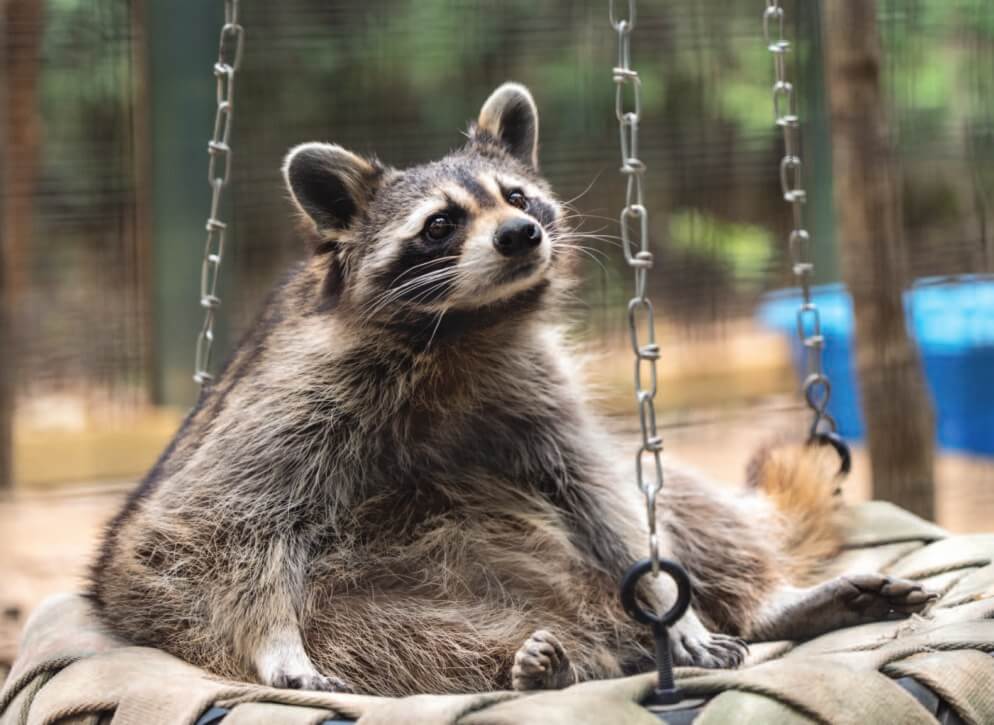
Emerald Coast Wildlife Refuge
Coast Wildlife Refuge (ECWR) has been giving Florida’s native wildlife a second chance. Since 1994, the Navarre-based nonprofit has provided medical care and rehabilitation for injured, orphaned and displaced animals, treating approximately 1,500 wildlife patients each year. From raccoons and opossums to turtles, tortoises and pelicans, ECWR’s mission is simple: help animals recover and return to the wild whenever possible.
That commitment extends beyond land-based wildlife. ECWR also operates a marine mammal stranding program, responding to dolphins, whales and sea turtles in need along the Gulf Coast.
“At Emerald Coast Wildlife Refuge family visits, hands-on educational programs and volunteer experiences inspire a lasting connection to wildlife and empower people of all ages to become stewards of our natural world,” ECWR Executive Director Pascal Robin said.
While rehabilitation is at the heart of its work, education is a cornerstone of the refuge’s mission. Visitors to ECWR’s newly renovated Education Center can come face-to-face with resident ambassador animals — wildlife that cannot be released due to injury or other circumstances — and gain a deeper appreciation for the species that share our coastal ecosystems. Reptiles, birds of prey and mammals each offer a unique opportunity to learn about wildlife rehabilitation, conservation and the challenges native animals face in an ever-changing environment.
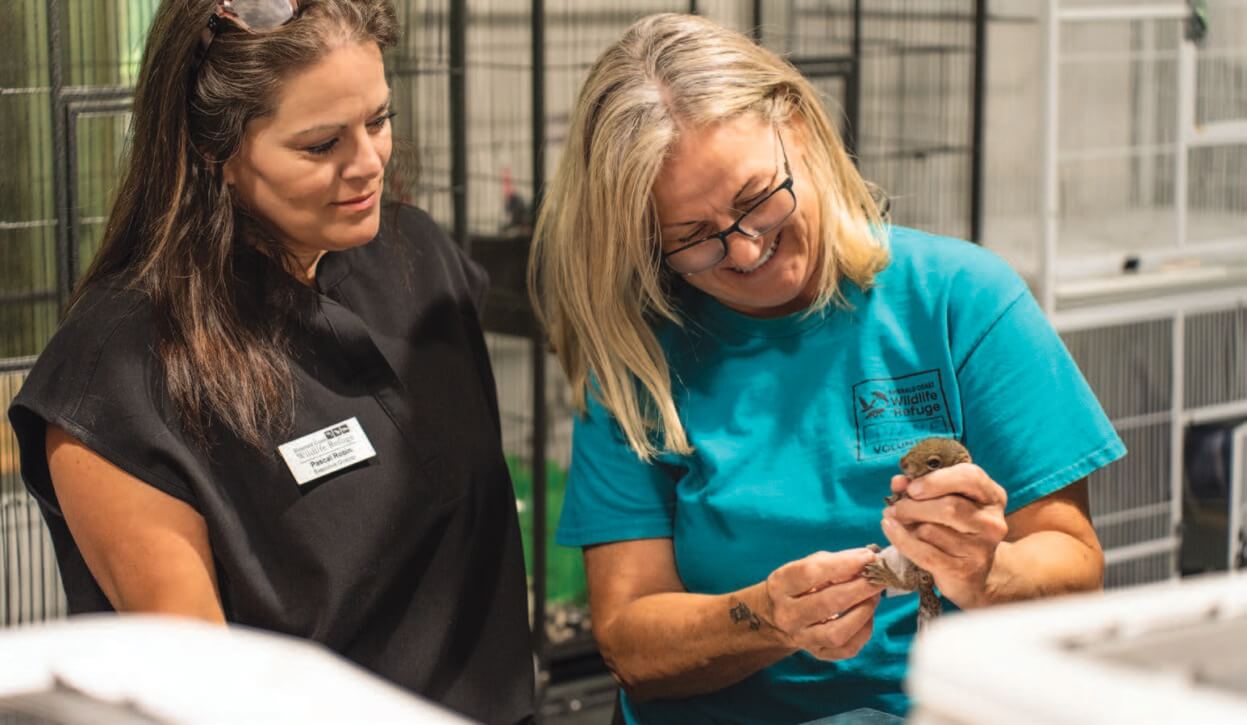
Open Wednesday through Saturday from 9 am to 3 pm and Sunday from 11 am to 3 pm, the Education Center invites guests of all ages to explore exhibits at their own pace while discovering the stories behind many of the refuge’s animal ambassadors.
Staff and volunteers are available to answer questions and share insights, making each visit both educational and engaging. Admission is $8 for adults, $7 for military members and seniors, $6 for children ages 3 to 17 and free for children under 2, with proceeds directly supporting the refuge’s wildlife-saving efforts.
Those looking to make an even greater impact can volunteer in a variety of roles, including animal care, education, outreach and facility support. Through their time and dedication, volunteers help ensure that ECWR can continue rescuing wildlife, educating the public and fostering a stronger connection between the community and the natural world. Learn more at emeraldcoastwildliferefuge.org.
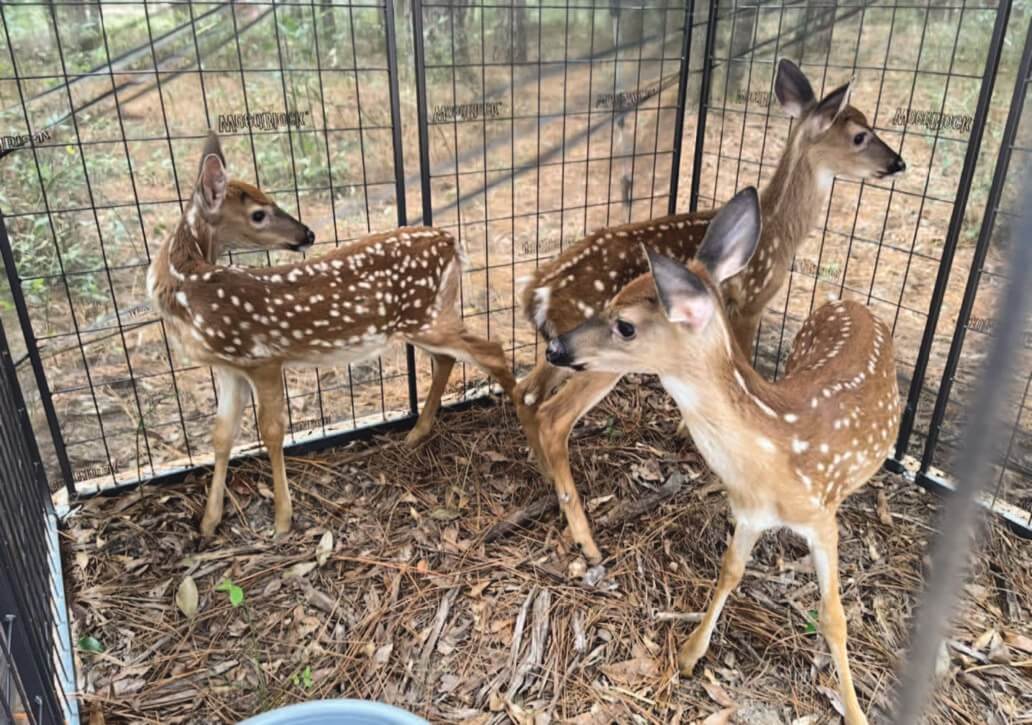
Sandspur Wildlife Sanctuary
While many wildlife organizations focus on educational programs and visitor experiences, Sandspur Wildlife Sanctuary (also known as Sandspur Wildlife Rescue and Rehabilitation) makes its impact largely behind the scenes through the rescue, treatment and rehabilitation of native Florida wildlife.
Based in Navarre, the federally and state-licensed rehabilitation center specializes in caring for injured and orphaned birds of prey, including bald eagles, hawks and ospreys, while also treating smaller mammals such as raccoons and opossums.
Operating from a private facility, Sandspur is equipped with advanced medical resources rarely found in smaller wildlife centers, including digital X-ray technology, in-house diagnostics, endoscopy equipment and anesthesia capabilities. These tools allow the team to provide specialized care for animals suffering from serious injuries and illnesses, with the ultimate goal of returning them to the wild.
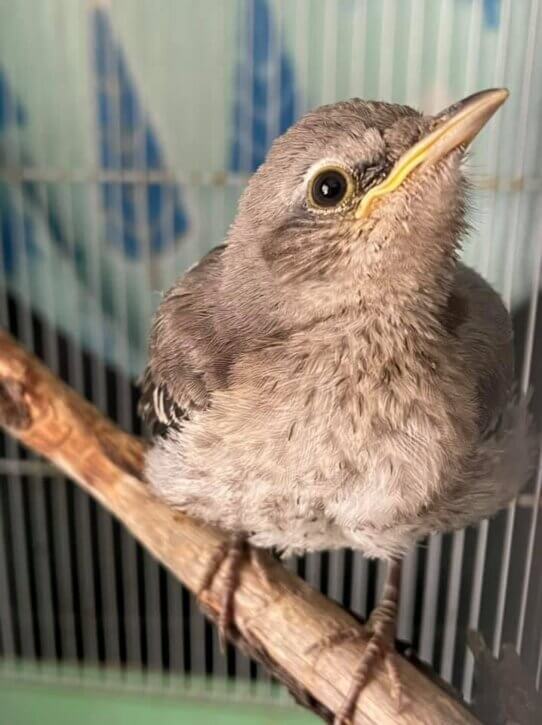
The organization is led by longtime conservationist Anna Hackney, a Florida Master Naturalist and authorized gopher tortoise agent with the Florida Fish and Wildlife Conservation Commission. Under Hackney’s leadership, Sandspur’s work extends beyond wildlife rehabilitation through partnerships with organizations such as Audubon Florida and the Panhandle Terrapin Project to monitor nesting habitats and help protect vulnerable coastal species throughout Northwest Florida.
Sandspur also serves as an important resource for local residents who encounter injured or orphaned wildlife, providing guidance, rescue assistance and emergency care when needed. Although the sanctuary is not open for public tours or drop-in visits, its influence reaches far beyond its private rehabilitation facility. Much of its conservation work happens quietly, through countless hours of medical care, rehabilitation and release efforts that help preserve the wildlife that makes our region unique.
Those who discover injured or orphaned wildlife are encouraged to contact Sandspur Wildlife Sanctuary or the Florida Fish and Wildlife Conservation Commission for guidance before attempting a rescue. To learn more about the organization’s work or ways to support its mission, visit the Sandspur Wildlife Sanctuary Facebook page.