
Natural Support for a Healthier Pup
All pet parents want their pups to live long, healthy and active lives. While a balanced diet remains the foundation of good canine health, many everyday foods — from fresh fruits and vegetables to fish rich in healthy fats — can provide nutritional benefits that complement a well-rounded diet.
Pensacola Magazine spoke with local veterinarian, Dr. Melanie Schroeder of Coastal Sunrise Animal Hospital, who offered expert insight on how incorporating fresh, natural ingredients into a dog’s diet can help address specific health concerns and support overall health. When introduced appropriately and under the guidance of a veterinarian, certain fresh foods can help support natural body functions and enhance quality of life for dogs of all ages.
Fresh Foods That Support Canine Health
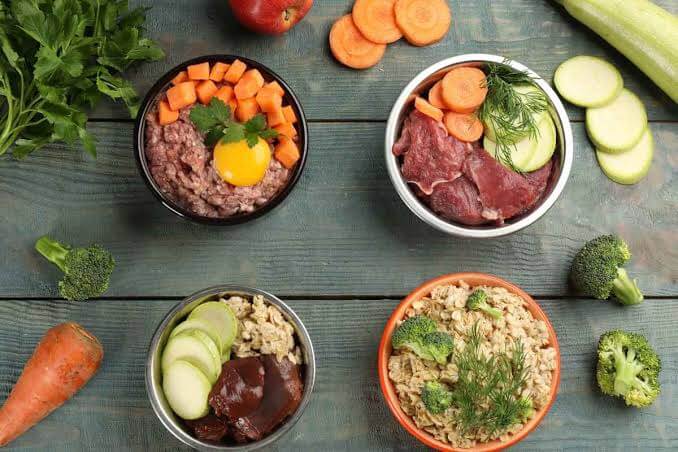
For owners who prefer a whole-food approach over pills or powders, several kitchen staples can provide targeted support for digestion, joints, skin and overall wellness. Blueberries and blackberries are rich in Vitamins C and E and contain powerful antioxidants that help protect cells from damage. These nutrients can support immune function while promoting healthy skin and joint mobility.
For dogs watching their waistlines, green beans offer a highfiber, low-calorie option that adds bulk to meals and helps pets feel satisfied. Similarly, carrots and broccoli provide fiber, nutrients and the added bonus of a satisfying crunch that many dogs enjoy.
Eggs, when boiled or scrambled without butter or seasonings, provide biotin, sulfur and essential fatty acids that contribute to healthy skin and a shiny coat. Raw eggs should always be avoided.
Supporting Joints and Connective Tissue
One of the most common reasons pet owners turn to supplements is to support joint health. As dogs age, the cartilage that cushions their joints naturally begins to wear down, potentially leading to stiffness, discomfort and reduced mobility. Large breeds and dogs predisposed to conditions such as hip dysplasia or osteoarthritis may experience these issues even earlier in life.
Among the most widely recommended for joint health are glucosamine and chondroitin sulfate. Often referred to as the cornerstone ingredients in joint care, these compounds work together as “chondroprotective” agents, helping to support cartilage health and maintain joint function. They have a synergistic effect, meaning they work as a team to achieve a greater result than either could alone.
Glucosamine serves as a building block for cartilage, the smooth tissue that cushions joints and allows for comfortable movement. Chondroitin helps prevent enzymes from breaking down cartilage, allowing it to retain moisture and flexibility. Together, they may help slow the progression of joint degeneration while supporting mobility and comfort.
Another supplement gaining attention is collagen, a key component of connective tissues, including tendons, ligaments and cartilage. “High-quality bone broth is rich in collagen and amino acids that protect joint cartilage,” Dr. Schroeder said. “If you want to add healthy moisture to your pet’s diet or soften their kibble at dinner, this is a great way to do it.”
Low-sodium bone broth is an excellent natural supplement for dogs, delivering rich amounts of collagen, glucosamine and chondroitin to support joint health, as well as gelatin and amino acids to promote a healthy coat and gut repair. (Just be certain it is made without garlic or onions, which are toxic to pets.)
Managing Inflammation Naturally
Inflammation plays a role in many common canine health concerns, from arthritis to skin irritation. Omega-3 fatty acids are among the most highly recommended natural supplements for addressing inflammation and supporting overall wellness.
Clinical trials show that consistent dosing of omega-3 fatty acids can significantly decrease how often a pet needs traditional NSAIDs like carprofen.
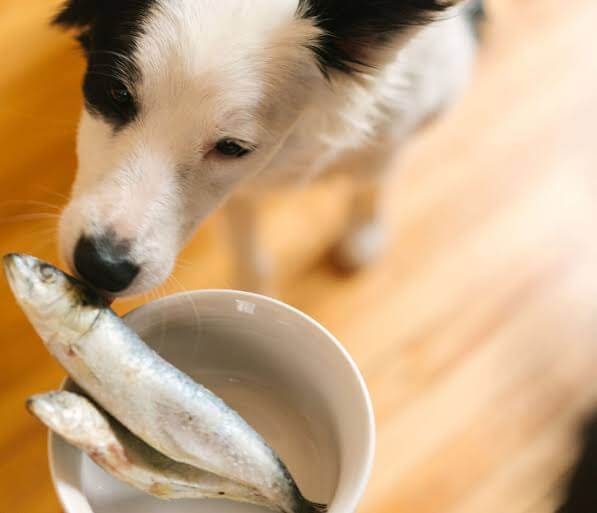
Typically sourced from fish oil, omega-3 fatty acids contain two key nutrients: EPA and DHA. These compounds help moderate inflammatory responses throughout the body and may reduce joint discomfort associated with arthritis and other mobility issues.
“Look for sardine or anchovy varieties packed in water rather than oil,” Dr. Schroeder said. “These tiny fish are bursting with omega-3 fatty acids, which provide systemic support for the heart and kidneys while notably decreasing joint inflammation.”
The benefits of omega-3s extend beyond joint health. They also support cardiovascular function, and many pet parents notice improvements in coat shine, skin hydration and reduced itching after introducing an omega-3 supplement into their dog’s routine.
A Healthy Gut Starts with Digestion
Digestive health is another area where natural supplementation can make a meaningful difference. Just like humans, dogs rely on a balanced gut microbiome to support digestion, nutrient absorption and immune function. Probiotics contain beneficial bacteria that help maintain healthy microbial populations in the digestive tract.
“A small dollop of plain, xylitol-free Greek yogurt is a wonderful way to introduce natural probiotics,” Dr. Schroeder said. “Growing scientific evidence continuously shows that a healthy gut microbiome leads to a healthier pet overall.”
Fiber also plays a critical role in digestive health. Natural, whole-food sources such as pumpkin provide soluble fiber that helps regulate bowel movements and supports healthy digestion.
When digestive issues arise, plain canned pumpkin can be a helpful addition. Pure pumpkin, not pumpkin pie filling, contains fiber that can ease occasional constipation while also helping firm loose stools. A healthy digestive system not only promotes comfort but also helps dogs better absorb nutrients from their food.

Introducing Natural Supplements Safely
According to Dr. Schroeder, the first question pet owners should ask before deciding to supplement is simple: What specific problem am I trying to address?
Natural supplements aimed at supporting joint health, skin and coat condition or digestive wellness may be beneficial when used appropriately.
When adding anything new to a pet’s diet, introduce only one product at a time. This approach makes it easier to identify the source of any adverse reactions. Additionally, excessive supplementation can create serious health risks.
While supplements are generally safe, giving too much can cause serious, unintended health issues. High amounts of omega-3 fatty acids or zinc may interfere with blood cell function, potentially leading to anemia or clotting disorders. Vitamin D toxicity presents an even greater concern as high amounts can cause dangerous increases in blood calcium levels, potentially resulting in kidney failure, severe gastrointestinal illness or even death if left untreated.
Fortunately, the most common consequence of over-supplementation is gastrointestinal upset, including vomiting, diarrhea or decreased appetite. “As with all pet related questions, reaching out to your veterinarian for advice prior to starting any new medication or supplement is advised,” Dr. Schroeder said. “We are always here to help and have the unique clinical knowledge, data and resources needed to guide you and your pets in the right direction!”

Local Human-Grade Supplements and Treats
Pet owners interested in incorporating high-quality, human-grade ingredients into the wellness routine of their dogs have several local options to explore:
Located in Fort Walton Beach, 3 Dogs and A Chick offers homemade treats and chews made with human-grade ingredients and provides nutritional counseling for pet owners seeking personalized guidance.
In Pensacola, Sophie’s PupCake Pantry specializes in human-grade dog treats and curated monthly subscription boxes filled with wholesome goodies designed for canine companions.
Also in Pensacola, The Barkery offers human-grade treats and food toppers that can be used to complement a dog’s regular diet while providing additional flavor and nutritional support.
Whether you’re supporting an aging dog’s joints, soothing itchy skin or promoting digestive health, natural supplements can be a valuable addition to your pet’s wellness plan. With guidance from your veterinarian and a focus on quality ingredients, these nutritional tools may help your four-legged family member stay healthier, happier and more active for years to come.

Choosing the Right Supplement
No matter how promising a supplement or fresh food may sound, every pet is unique. Age, weight, existing health conditions, medications and dietary needs all influence what is safe and beneficial.
If you do opt to give your pup a pill supplement, Dr. Schroeder recommends choosing products from reputable manufacturers with documented safety standards. While social media influencers often promote pet products, not all recommendations are backed by veterinary expertise or scientific evidence.
One of the best indicators of quality is the National Animal Supplement Council (NASC) Quality Seal, which signifies that a company has met strict independent standards for manufacturing and safety. Out of thousands of pet supplements on the market, only a small fraction earn this seal, making it your best benchmark for purity and safety.
Contact a clinic immediately if a dog consumes an entire container of supplements, whether intended for pets or humans. The risk depends on the pet’s size, the amount consumed and the specific ingredients involved. A particularly important warning involves human prenatal vitamins, which often contain concentrated levels of vitamins and minerals that can be dangerous for pets if ingested.
“If you are ever uncertain about the safety, ingredients or potential side effects of a product, simply email, call or text your vet office,” Dr. Schroeder said. “We can investigate the product’s safety and quality standards for you, giving you total peace of mind before you dose your fur baby.”