Emerald Coast Plant Libraries Flourish Across Northwest Florida
Houseplants and gardening have blossomed into more than just hobbies — they’ve become a way for people to connect with nature and one another.
Across Northwest Florida, a growing network of community plant libraries is making it easier than ever for gardeners to share cuttings, discover new varieties and build connections rooted in a shared love of growing things.
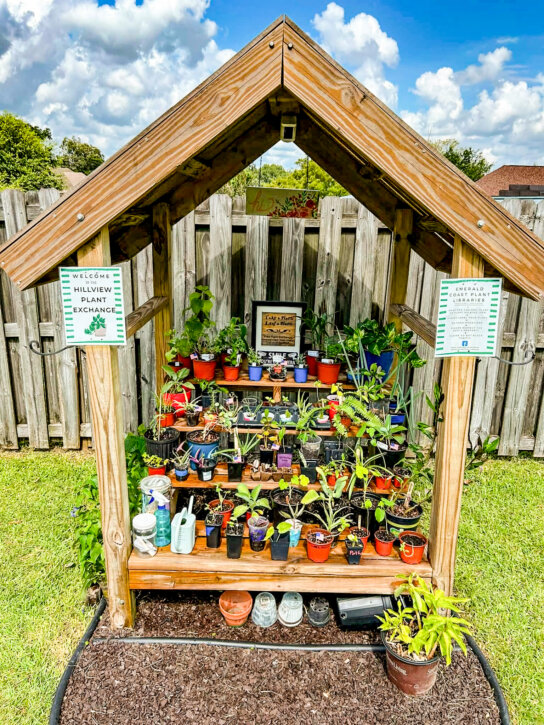
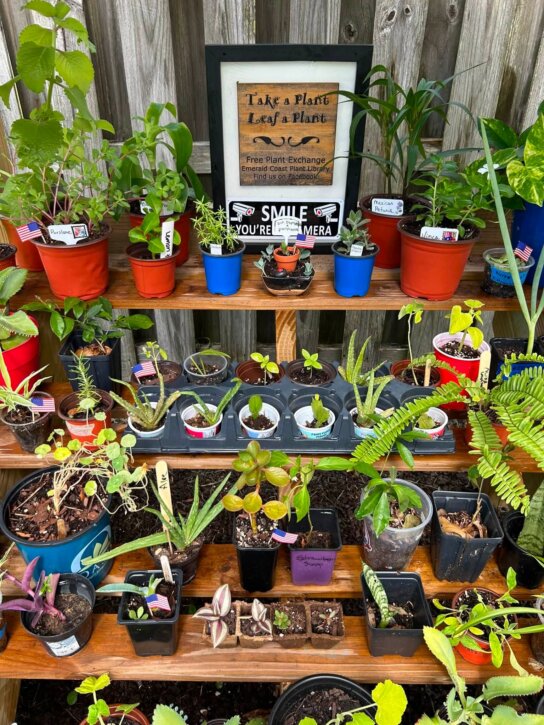
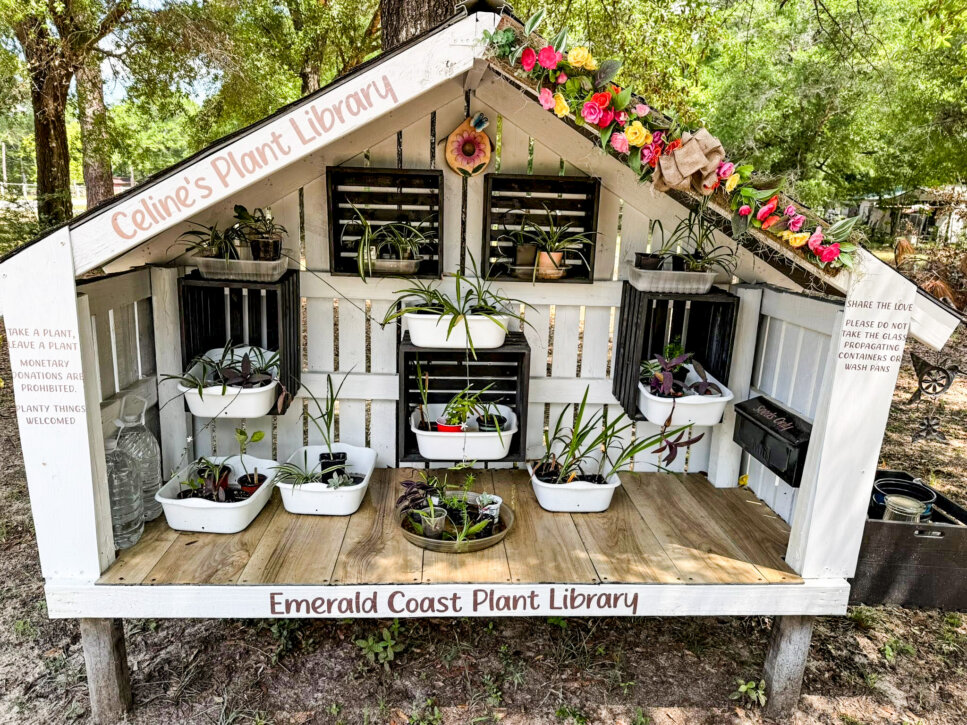
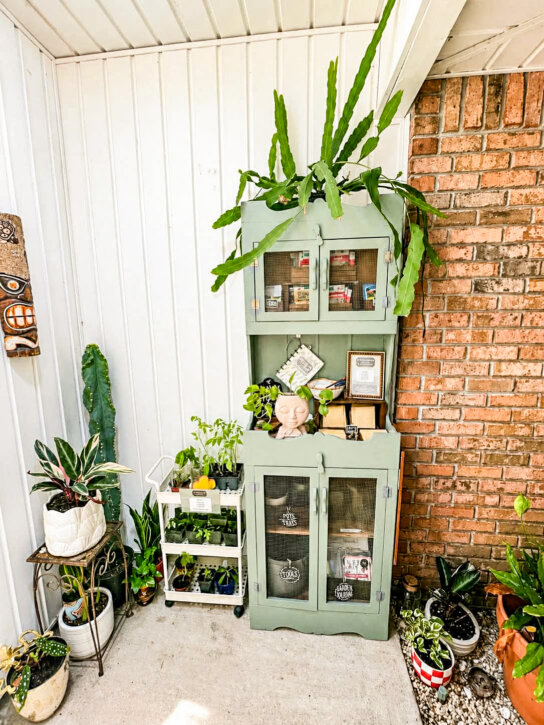
At first glance, they might look like ordinary little wooden boxes tucked outside a neighborhood home or local business. Inside, you’ll find shelves stocked with houseplant cuttings, outdoor plants, vegetable seedlings, flower seeds and even the occasional gardening book, all free for anyone to take or share.
Think of them as the plant world’s version of a Little Free Library. Instead of borrowing books, visitors exchange plants, seeds and gardening supplies, creating a community resource that grows through generosity.
Whether you’re an experienced plant parent with more propagations than windowsill space or you’re bringing home your very first pothos, these neighborhood libraries offer an easy, completely free way to discover something new while sharing what you’ve already grown with fellow gardeners. One visit might inspire you to leave behind a baby spider plant for another plant lover to find. The next could introduce you to a cutting you’ve been searching for, or even another local gardener browsing the shelves. At a time when so much of life happens online, these little libraries create opportunities for neighbors to connect the old- fashioned way, one plant at a time.
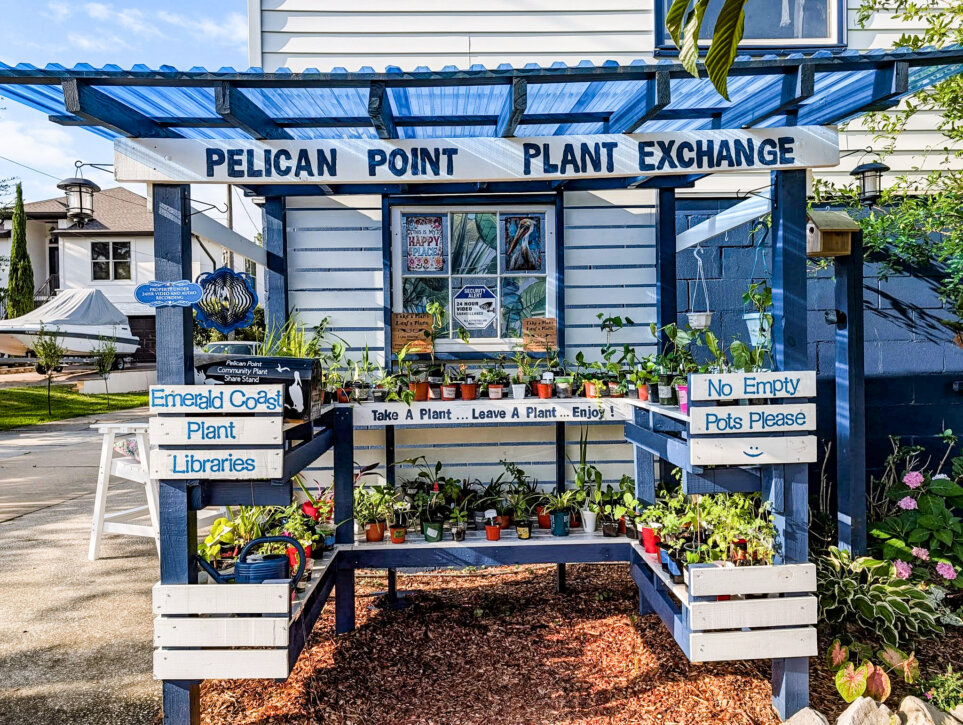
That spirit of sharing continues through the Emerald Coast Plant Libraries, a grassroots effort launched by local plant enthusiast Angela Blake in May 2021.
What began as a single free plant-sharing station has since grown into a network of community plant libraries scattered throughout Northwest Florida, each maintained by volunteers who believe plants are meant to be shared.
Blake said the idea began to take shape during the COVID-19 pandemic, when houseplants surged in popularity and many people were searching for meaningful ways to connect.
“It was a time when we were so divided, we needed community more than ever,” Blake said. “I knew people had a surplus of certain plants and were hoping for other plants, and I knew this was a great community to share resources.”
After discovering a successful community plant library in Tallahassee, Blake decided to bring the concept home, never expecting it to grow so quickly.
The response was immediate. By the end of its opening weekend, that first library had inspired two more, and within just a few months, the idea had taken root in more than 20 neighborhoods across Escambia and Santa Rosa counties. Today, more than 30 active plant libraries continue the tradition of sharing throughout Northwest Florida.
The movement extends well beyond the libraries themselves. Over the years, the Emerald Coast Plant Libraries Facebook group has grown into a thriving online community where members post photos of their latest finds, announce freshly stocked libraries, trade gardening tips and organize local plant swaps. It’s also a place where newcomers can ask questions, identify mystery cuttings and find encouragement from other experienced gardeners.
While Blake has since stepped away from leading the organization to focus on other professional and personal goals, the community she helped build continues to thrive under the leadership of longtime volunteer James Brewster-Rogers, who now oversees the Emerald Coast Plant Libraries Facebook group and helps coordinate the network of community plant libraries throughout Northwest Florida.
For Blake, however, the libraries have always been about more than exchanging plants. “It brings people together,” Blake said. “I heard countless stories of hosts tending to the stands and a visitor arriving, and they struck up a conversation and made new friends. Some of them remain very close friends even to this day.”
For anyone looking to visit a plant library for the first time, the Emerald Coast Plant Libraries Facebook group is the best place to start. A pinned post features a running list of active library locations throughout the region, while members regularly share photos of newly stocked shelves so visitors can see what’s available before heading out.
What keeps these libraries thriving isn’t a long list of rules, it’s the simple understanding that everyone has something to share. Visitors are welcome to take what they need and, whenever possible, leave behind plants, seeds or gardening supplies for someone else to enjoy.
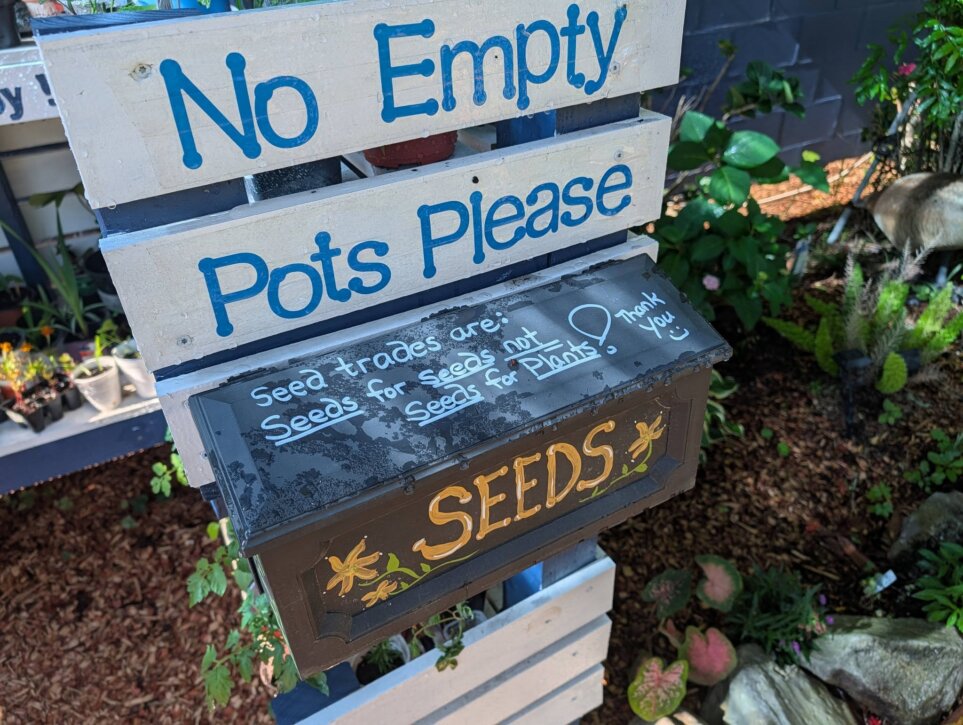
That simple exchange helps keep the shelves stocked and the libraries growing right alongside the communities they serve.
A few simple courtesies help make the experience enjoyable for everyone. Visitors are encouraged to take only what they’ll realistically care for, leaving plenty for others to enjoy. Donations should be healthy, pest-free and, whenever possible, clearly labeled so new plant parents know exactly what they’re bringing home.
Seeds are best packaged in labeled envelopes, and most library hosts ask that invasive species or diseased plants not be left behind. Blake also encourages visitors to be mindful of the private properties where many libraries are located by respecting yards, driveways and landscaping while they browse.
If you happen to stop by and find empty shelves, don’t assume the library has been abandoned. Many are restocked throughout the week as volunteers and neighbors drop off fresh cuttings after pruning houseplants, dividing perennials or collecting seeds from their gardens. One visit may offer only a few options, while the next could reveal an entirely new selection.
The idea of free, accessible gardening resources extends beyond plant libraries. For those looking to start a vegetable garden, grow fresh herbs or add more flowers to their landscape, the West Florida Public Libraries (WFPL) system offers another opportunity to get growing.
Branch locations throughout Escambia County now offer Community Seed Libraries, where visitors can check out up to five packets of seeds at no cost. There are no due dates, late fees or returns required. Instead, the program encourages residents to grow their own food, support pollinators and experience gardening, regardless of experience or budget.
Seed selections vary throughout the year but often include vegetables, herbs, flowers and native plants well suited to the Gulf Coast climate. Gardeners who successfully harvest seeds from their own plants are encouraged to donate extras back to the collection, helping the program continue to grow season after season.
Together, these community plant libraries and public seed libraries are making gardening more affordable, accessible and community- focused. Whether you’re bringing home your first cutting, discovering a new heirloom tomato variety or sharing seeds saved from your own garden, these free resources make it easy to grow your garden while connecting with others along the way.
Five years after launching the first plant library, Blake says the project’s greatest success isn’t the number of locations or the thousands of plants that have changed hands, it’s the community that has grown around them.
“It’s taught me so much about people, human nature, and it’s reminded me how wonderful people are despite our many differences,” Blake said. “It is a beautiful story of community and grassroots origins turned into something that’s been able to be maintained for five years now.”
That spirit of generosity continues to thrive through the volunteers, library hosts and gardeners who keep the shelves stocked and support one another in ways well beyond sharing plants.
“We see some incredible acts of people helping each other either with resources, plants or even cleaning up people’s yards,” Blake said. “It’s been a wonderful community project, and I’m eternally grateful to James for keeping the group so well maintained. He’s definitely put in a lot of time and dedication.”
To learn more about Emerald Coast Plant Libraries, follow the group’s Facebook page, where members regularly post newly stocked locations, upcoming plant swaps and gardening tips. You’ll also find a pinned post with a map of active plant libraries throughout Northwest Florida, making it simple to locate one nearby.