First Annual FWC Pensacola Lionfish Invitational
Pensacola’s Gulf waters are home to a beautiful but unwelcome predator — and this fall, the community is coming together to fight back.
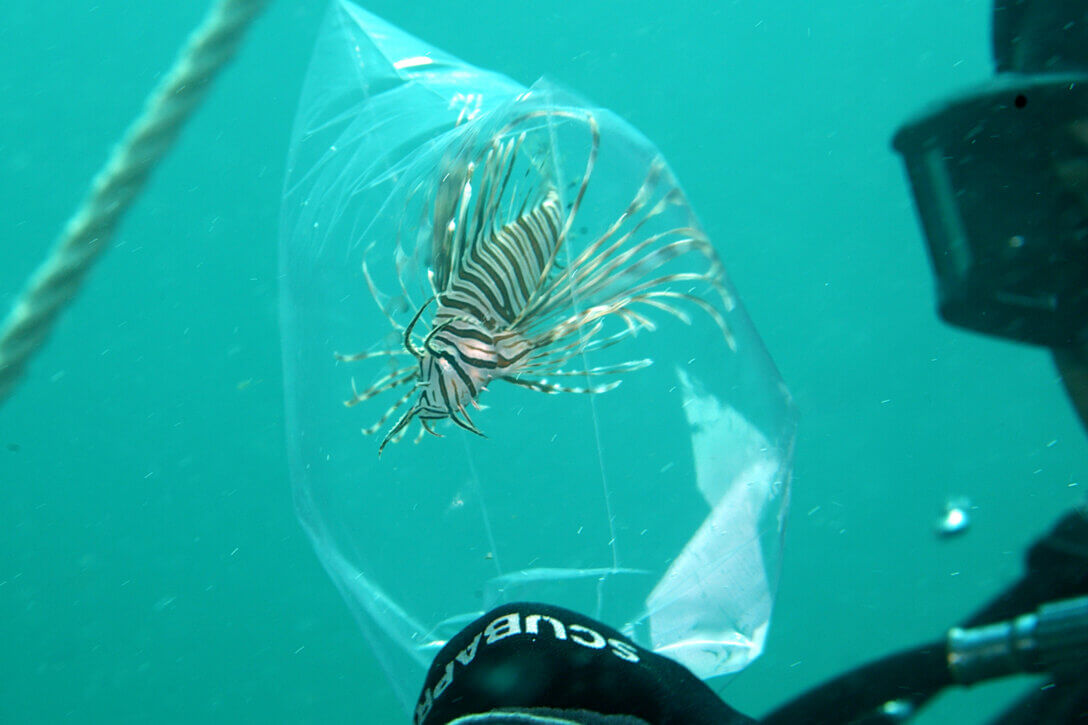
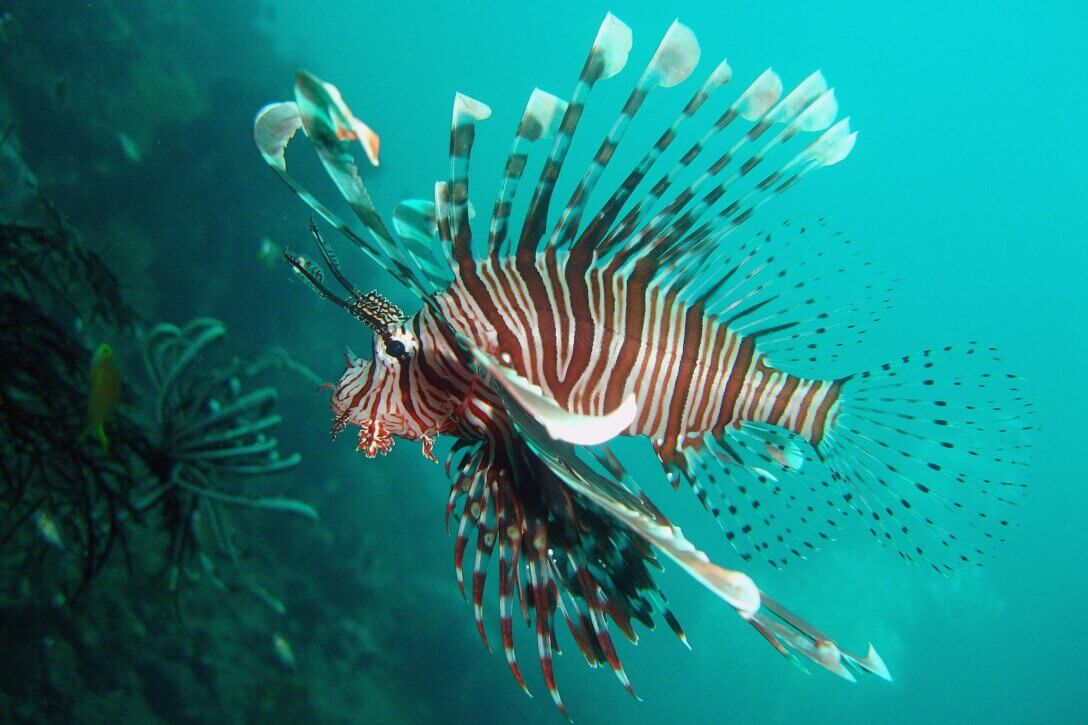
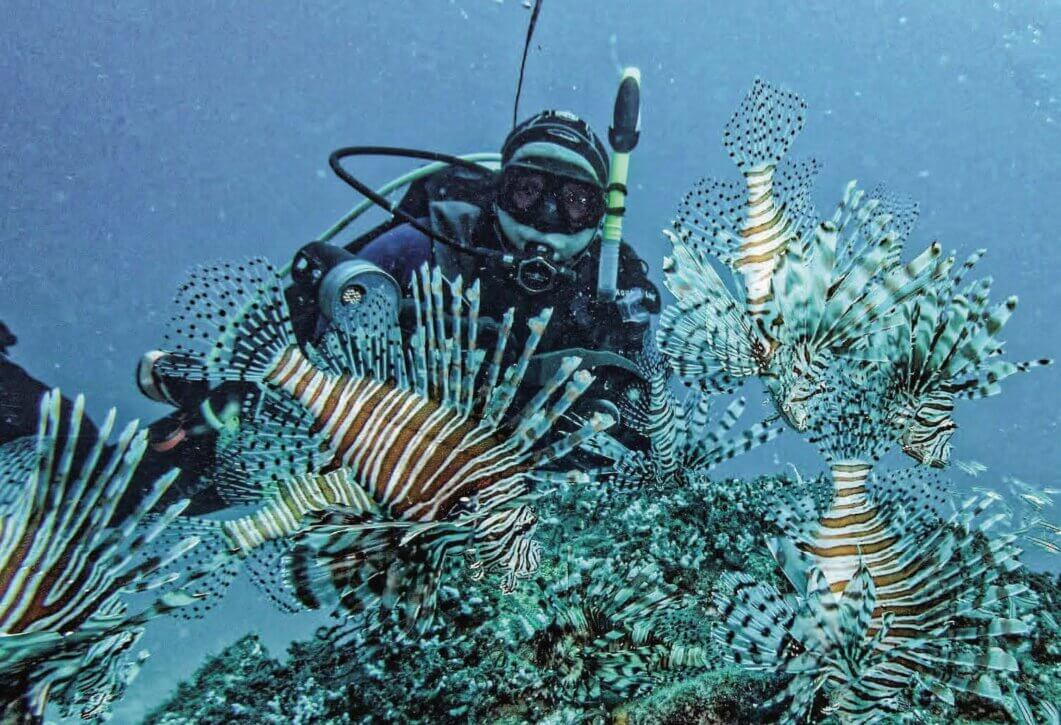
With fanlike fins, bold red-and-white stripes and venomous spines, lionfish are striking underwater. But beneath that beauty is an invasive predator capable of disrupting the delicate balance of Florida’s marine ecosystems.
This September, Pensacola will turn its attention to that problem, and to one of the most hands-on ways to fight it.
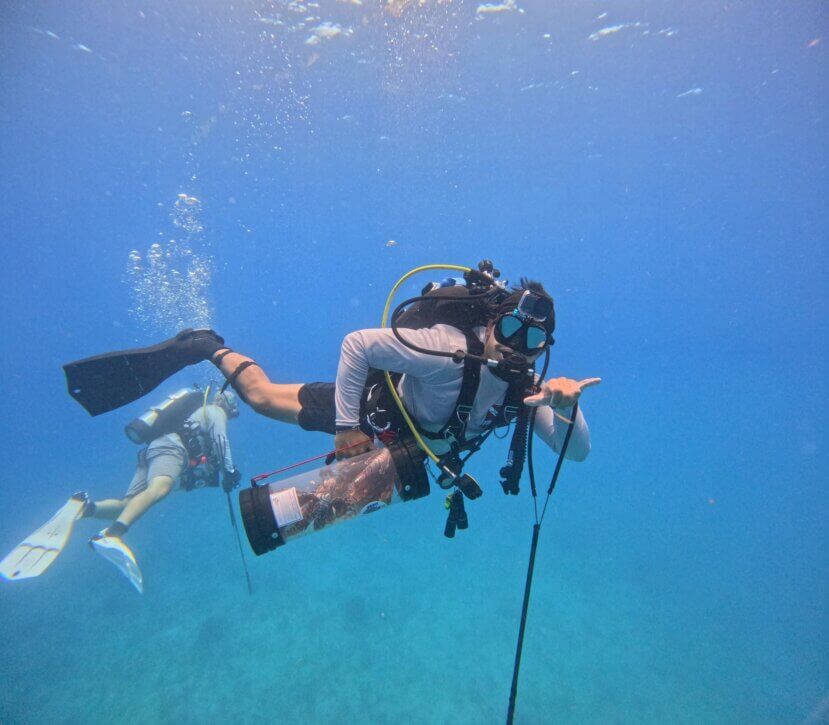
The Florida Fish and Wildlife Conservation Commission’s (FWC) Reef Rangers will host the inaugural FWC Pensacola Lionfish Invitational and Festival Sept. 25–27 at Plaza de Luna on Palafox Pier, bringing divers, coastal conservation advocates, local businesses, vendors and the public together around a common goal: removing invasive lionfish from Gulf waters.
The tournament will run from first light until last light on tournament days, with teams able to launch from any legal waters where lionfish harvesting is permitted. The public festival will be held Saturday, Sept. 26, from 10 am to 6 pm, and Sunday, Sept. 27, from 10 am to 5 pm.
For Tony Hart, FWC’s Lionfish Program Coordinator in the Division of Marine Fisheries Management and tournament director, bringing the competition back to Pensacola is about much more than a fish count.
“As the Tournament Director, I am excited to help bring removal efforts back to the Pensacola area,” Hart said. “My goal is to make it a fun and successful event, while educating the public about the importance of getting involved and making a difference in the fight against lionfish invasion.”
The story of the lionfish invasion is one of those environmental stories that begins with an almost deceptively simple problem: a fish that does not belong here.
Lionfish are native to the Indo-Pacific, not the Gulf of Mexico. But over the past several decades, they have established themselves throughout the waters of the Southeast, including the Gulf, where they have found an abundance of prey and relatively few natural Predators.
The problem is not simply that lionfish are newcomers. It is how effectively they have adapted to their new environment.
“Lionfish are extremely detrimental to Florida’s reefs and marine ecosystems,” Hart said. “With no natural predators, rapid reproduction rates, and large stomachs, they can consume significant amounts of marine life.”
Lionfish can prey on more than 100 species of fish, competing with native species for food and habitat. Their venomous spines also offer an effective defense against potential predators, and they reproduce at a remarkable pace.
“A healthy female lionfish in warm waters can spawn every 2-4 days, releasing 15,000- 30,000 eggs each time,” Hart explained. “When you realize how often that happens, it really puts the scale of the problem into perspective.”
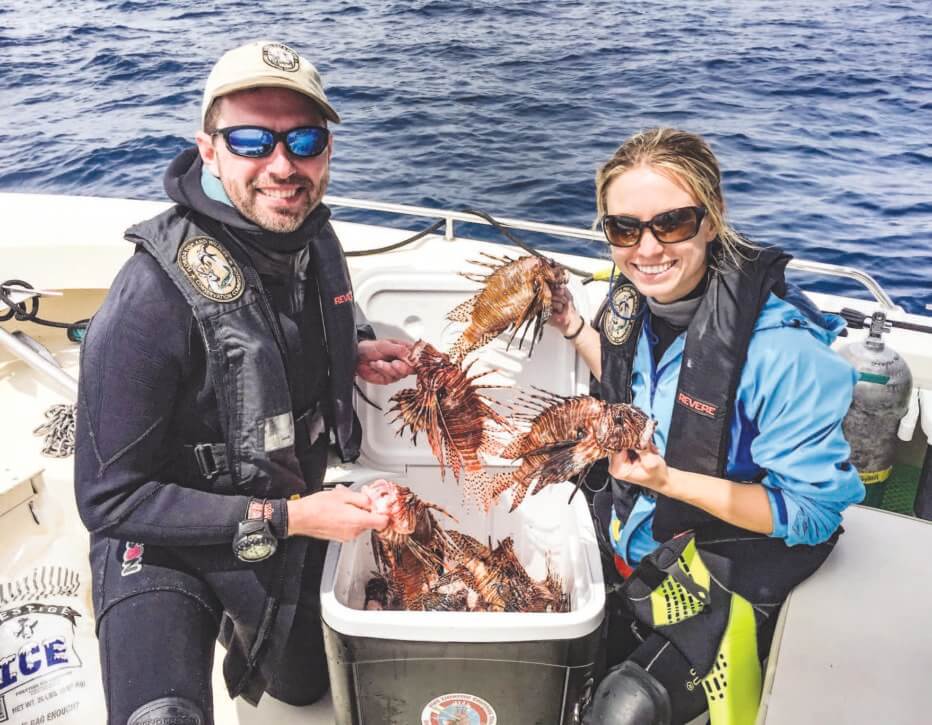
That reproductive capacity helps explain why simply removing a few lionfish is not enough to eliminate the invasion. Instead, biologists and conservationists focus on sustained, targeted removal, particularly in areas where divers can repeatedly harvest lionfish.
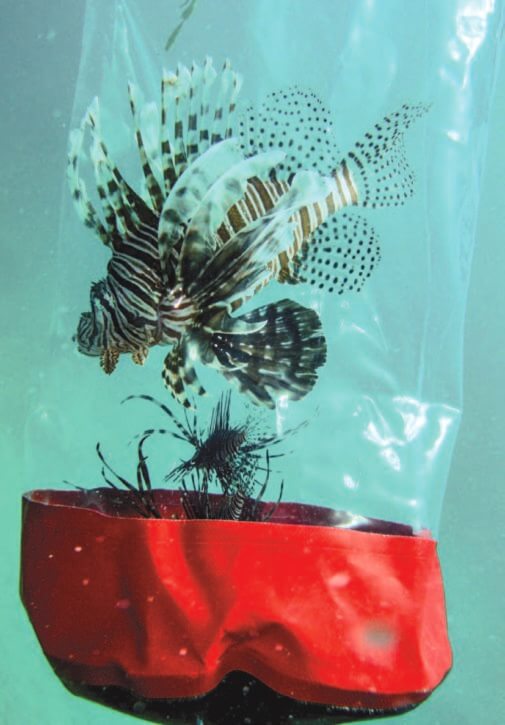
For years, organized tournaments have provided one of the most visible ways to encourage that work. Divers compete to remove as many lionfish as possible, turning conservation into a competition while putting thousands of invasive fish on the dock rather than on the reef.
“While lionfish remain a serious threat, tournaments like this make a measurable difference by removing large numbers of invasive fish and raising awareness about the importance of continued control efforts,” Hart said.
That is part of the reason FWC wanted to bring a tournament back to Pensacola. For several years, Gulf Coast Lionfish Tournaments operated the Pensacola Lionfish Festival before recently ending its tenure. Rather than let the local tradition disappear, FWC stepped in to continue the removal effort and keep the community engaged.
“It was important to keep a tournament in the Pensacola area, ensuring the continuity of this tournament promotes removal efforts of this invasive species and brings the community together,” Hart said.
The new festival is built around that same idea of community. Pensacola’s connection to the Gulf runs deep, woven into the area’s fishing, diving, boating, seafood and tourism industries. The tournament builds on that connection while giving it a conservation-focused mission. The competitive portion of the weekend is designed for divers, but visitors do not have to own a dive tank, or even know the difference between a lionfish and a red snapper, to participate in the larger celebration.
Teams can begin their hunts from any legal waters where lionfish harvest is allowed, with the tournament operating from first light until last light on the designated tournament days. Standard entry is $100, with a discounted $75 entry available for participants who actively submit fish in the 2026 Lionfish Challenge.
Around the competition, Plaza de Luna and Palafox Pier will become a waterfront gathering place for the community.
Vendors, educational activities, waterfront entertainment and family-friendly programming will give visitors a chance to learn about lionfish and the broader work being done to protect Florida’s marine resources.
The festival will also feature a variety of tasty foods. Local community chefs will host cooking demonstrations and showcase lionfish as a versatile Gulf seafood option, with tastings giving festivalgoers an opportunity to decide for themselves whether this invasive predator belongs on the dinner plate.
For Hart, encouraging people to eat lionfish is not just about finding another fish to put on a menu. It is another way to create demand for an invasive species that conservationists want removed from the water.

“Encouraging people to eat lionfish helps create a demand for this invasive species and supports the effort to remove lionfish from our waters,” Hart said.
There is, however, one important distinction for anyone handling lionfish: They are venomous, not poisonous.
“One of the biggest misconceptions is that lionfish are poisonous and cannot be eaten,” Hart said. “In reality, lionfish are venomous, not poisonous. The venom is found only in their spines. Once the spines are safely removed, lionfish are completely edible and are a fantastic food source.”
The meat itself is mild, white and flaky, making lionfish a surprisingly approachable seafood choice.
“And if you’ve never tried lionfish, I encourage you to give it a taste,” Hart said. “Lionfish is a delicious, mild, white fish, and it’s a great way to enjoy a meal while supporting conservation efforts.”
The festival tastings offer more than a culinary introduction, they give people who may never participate in a lionfish tournament a hands-on way to become part of the solution.
The weekend will also introduce visitors to the FWC Reef Rangers, the program hosting the event and one of the agency’s key initiatives for supporting lionfish removal across the state.
The Reef Rangers program focuses on education, outreach, tournament support and participation in the annual FWC Lionfish Challenge, a free online competition that runs each year from May through September. Divers who remove and submit lionfish can earn prizes while contributing to statewide removal efforts.
The Pensacola Invitational fits naturally into that larger mission.
“Our ultimate goal is to educate the public about the lionfish invasion and the importance of removing this invasive species from our waters,” Hart said. “The Reef Rangers and Pensacola Lionfish Invitational help support FWC’s larger conservation goals by bringing people together, raising awareness and showing the public how they can get involved in lionfish removal efforts.”
Hart joined FWC in June 2024 as its Lionfish Outreach Coordinator. Coming from a media and fishing-industry background, he now works with dive shops, divers and schools across Florida, provides outreach and education and supports lionfish events around the state.
For Hart, that work is about more than raising awareness — it’s about giving people a clear way to turn that awareness into action. For those who are not ready to take up a spear, there are still plenty of ways to contribute.
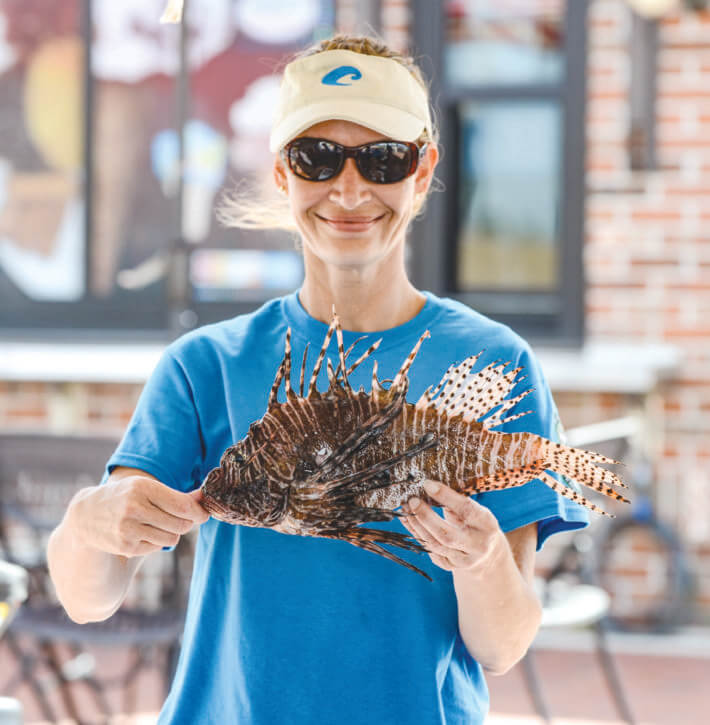
People can learn about the invasion, encourage responsible lionfish removal and seek out lionfish as a seafood choice.
The Pensacola festival will offer even more ways to get involved. Reef Rangers staff will be on hand to discuss lionfish management, while representatives from Catch a Florida Memory will showcase FWC’s free Saltwater Angler Recognition Program. A lineup of vendors, raffles and other activities will add to the weekend’s festivities.
“Everyone is welcome!” Hart said. “It’s a great opportunity to learn more about our conservation efforts, try some delicious lionfish, and even participate in raffles.”
That sense of community is key to tackling an invasion that spans a vast area and cannot be addressed by a single tournament or agency. Because lionfish reproduce so quickly, removal will remain an ongoing effort. Still, targeted harvests can help reduce local populations, protect native species and reefs, and keep attention focused on the threat.
Hart said the sheer number of lionfish harvested through organized efforts surprises people, but so does the scale of the population that remains.
“The number of lionfish harvested each year would amaze a lot of people, but it is still only a fraction of the overall population,” he said.
That reality makes the competition about more than declaring a winner; it’s about keeping the fight against lionfish moving forward.
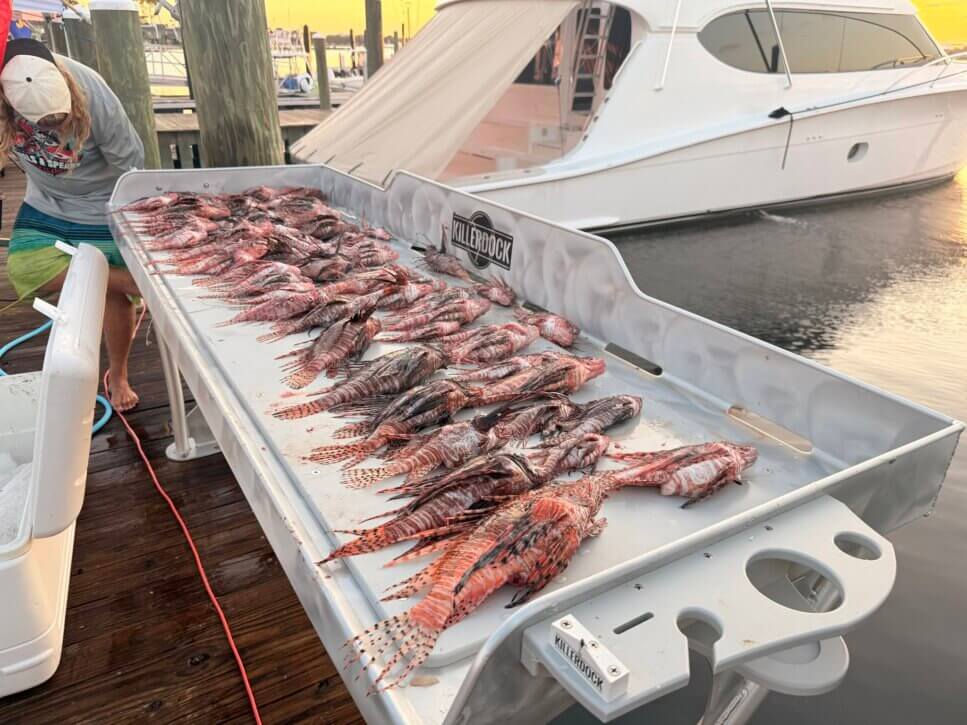
It’s a competition, but the bigger story goes beyond the leaderboard. Divers will head out in search of lionfish, return with their catches and see how their haul stacks up against other teams. But at Plaza de Luna, the focus will be on what happens when conservation becomes a community effort.
A diver can contribute by harvesting lionfish. A chef can contribute by putting the fish on a plate. A family can contribute by learning why the species is invasive. A diner can contribute simply by ordering it. And in a coastal community like Pensacola, those individual choices can add up.
The 2026 FWC Pensacola Lionfish Invitational and Festival will take place Sept. 25–27 at Plaza de Luna and Palafox Pier. The free, family-friendly festival will be open to the public from 10 am to 6 pm Sept. 26 and from 10 am to 5 pm Sept. 27, with activities and programming for all ages.
“Bring your family and join in the fun,” Hart said. “Conservation is a community effort!”
For tournament registration, rules, official event details and more information on lionfish programming, visit the FWC Reef Rangers Lionfish Invitational page at reefrangers.myfwc.com/lionfishinvitational and follow @FWCReefRangers on Facebook.