Becoming a Private Pilot
For many people, the dream of flying starts with a simple question: What would it take to get behind the controls of an airplane?
Earning a private pilot certificate can open the door to recreational flying, travel and further aviation training, but getting there requires time, commitment, study and a financial investment.
At SkyWarrior in Pensacola, Vice President Greg Sigler has watched aspiring pilots take their first steps toward a range of aviation goals. With a lifelong connection to aviation, he offers a practical perspective on what prospective students should know before beginning their flight training.
Although his professional role at SkyWarrior focuses primarily on business development and relationships, Sigler is also a private pilot. His interest in aviation began long before he joined the company.
“My dad was into aviation,” Sigler said. “So he had me helping him fly since I was 7 years old. My father started a small flight school with James Rockhill called SkyWarrior Flight Training to support the United States Navy.”
After spending 10 years coaching college football, he eventually joined his father at SkyWarrior. What began as a small operation with 10 airplanes has grown into a much larger flight-training organization with a fleet of about 108 aircraft and programs ranging from private pilot training to Airline Transport Pilot (ATP) certification.
What Does It Cost?
One of the first questions prospective aspiring pilots typically ask is how much it will cost. There isn’t one universal answer because the final price depends on the aircraft used, the flight school, the student’s pace of learning and how frequently they train.
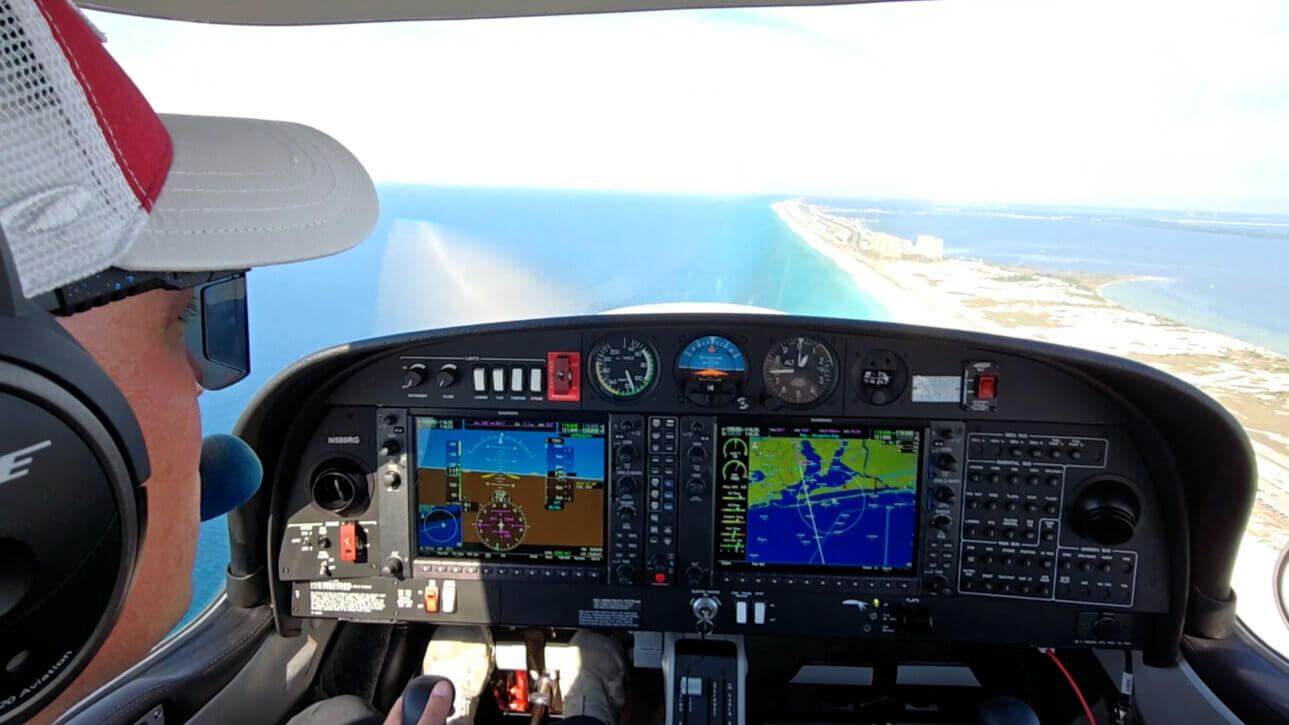
At SkyWarrior, Sigler estimates that earning a private pilot certificate can cost anywhere from $15,000 to $23,000, depending on several factors. One of the biggest is the aircraft itself. Students can choose newer airplanes equipped with modern avionics and digital displays or opt for an aircraft with lower operating costs.
But a student’s training habits can have just as much impact on the final cost, particularly when it comes to consistent practice. Someone who flies only once every few weeks may need significantly more time to develop and retain the necessary skills than someone who trains several times a week.
“Someone who just takes to it faster and is more natural, the cost will go down because probably the number of flights they have to do will go down,” Sigler said. “It’s always better to just do it as a full-time job because with frequency usually the easier it becomes.”
Part 61 or Part 141?
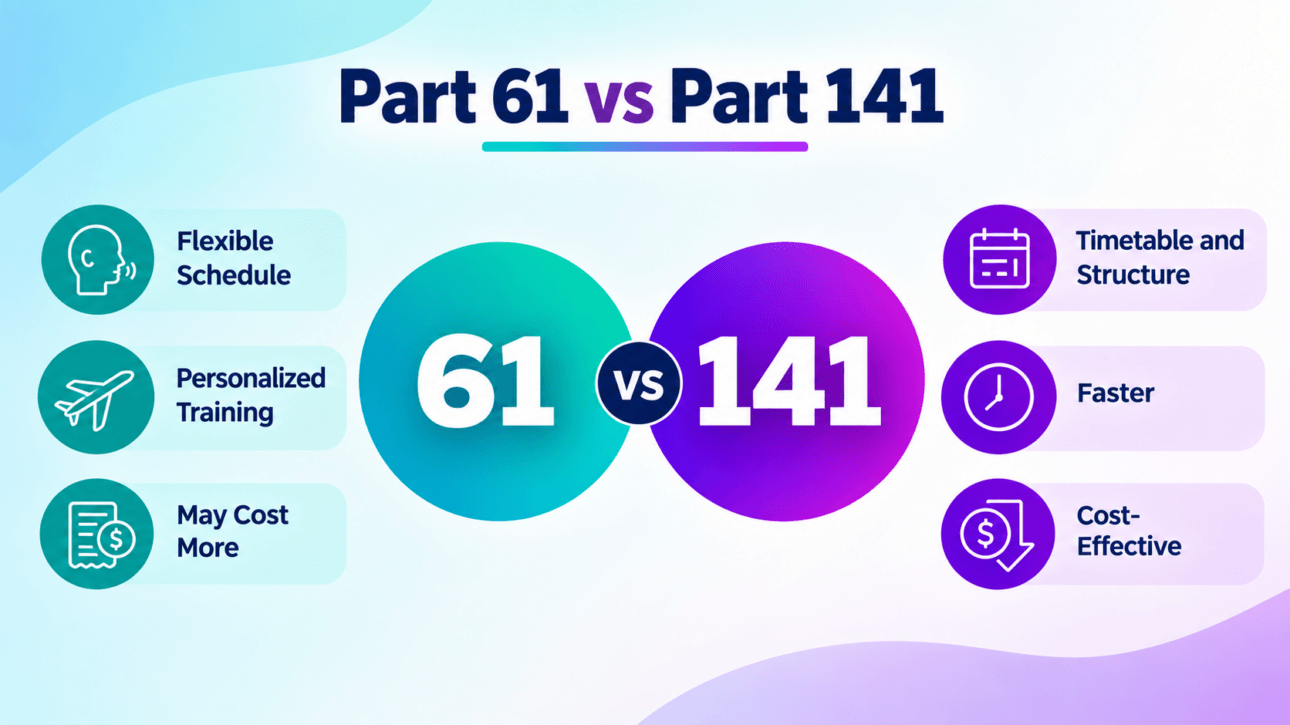
Another important decision is choosing the type of training program. Flight training generally falls under Federal Aviation Regulations (FAA) Part 61 or Part 141.
According to Sigler, the simplest way to think about the distinction is that Part 141 programs operate under greater FAA oversight and follow an approved, structured curriculum, while Part 61 provides a more flexible training framework.
“It’s kind of the difference between your mom and dad teaching you how to drive versus driving school,” Sigler said. “That’s an easy way to think about the difference between Part 61 and 141.”
Part 141 can offer advantages for students who want a structured path or plan to pursue aviation professionally. Depending on the school and program, students may also have access to financing options.
SkyWarrior offers aviation loans through their partnered institution Sallie Mae along with other benefits such as GI Bill benefits and SkillBridge opportunities, which allows transitioning military service members to spend their last 180 days on active duty completing aviation training.
One feature Sigler highlights is examining authority. Before receiving a pilot certificate, students must successfully complete a practical test, commonly known as a checkride. D
epending on the training organization, this may require scheduling the test with an FAA-designated pilot examiner. Designated pilot examiners are in high demand, which can create scheduling delays.
At schools with examining authority under Part 141, however, certain qualified personnel within the organization can conduct the required practical tests. That can potentially help students move through the final stage of training more efficiently. At SkyWarrior, for example, after a student finishes their last lesson they can issue your ratings and private pilot certificate on the spot.
For prospective pilots, understanding the differences between Part 61 and Part 141 before enrolling can help determine which approach best fits their goals, schedule and budget.
The Path to a Private Pilot Certificate
The process of earning a private pilot certificate involves several components, including knowledge testing, medical certification and a practical test.
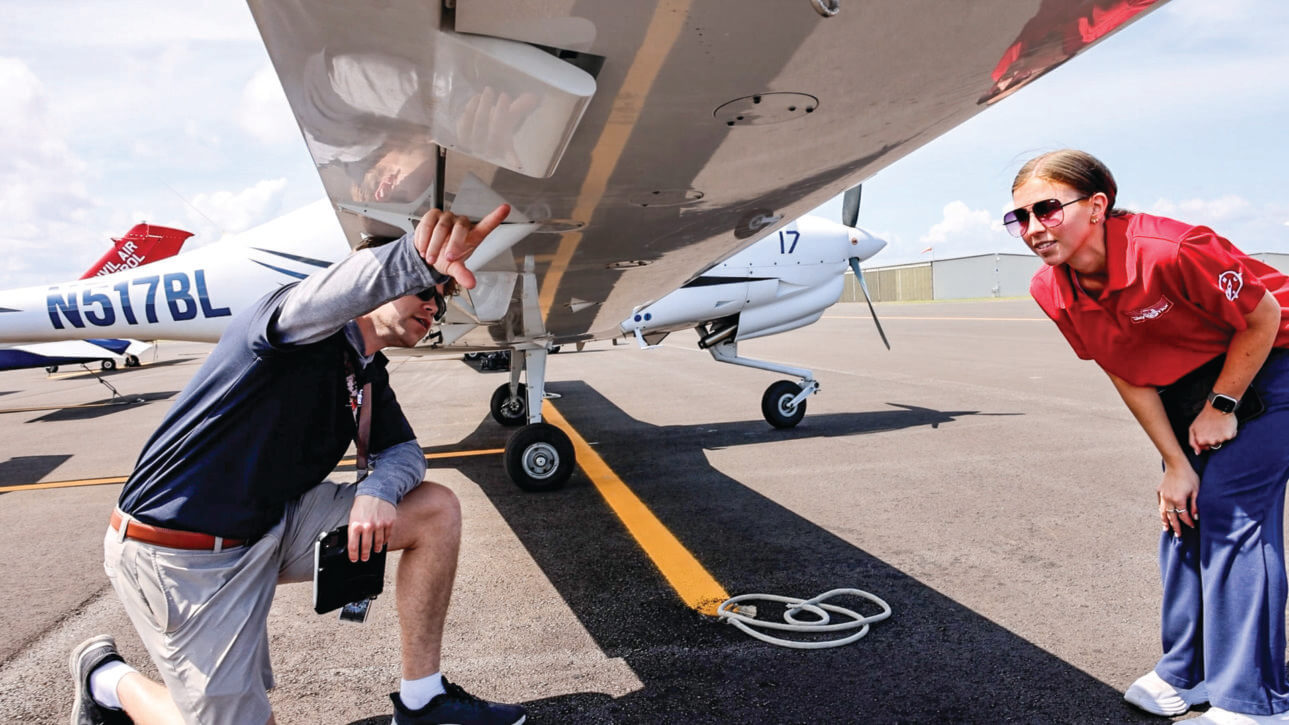
The knowledge test is essentially the aviation equivalent of a written driver’s test. Rather than demonstrating that a student can physically operate the airplane, it evaluates whether they understand the rules and concepts necessary to fly safely.
The knowledge test covers subjects such as regulations, airspace, weather, navigation, aircraft operations and safety. The FAA private pilot airplane knowledge test consists of 60 multiple-choice questions, and you must answer at least 42 correctly to pass.
Students must also meet the applicable medical requirements. For most private pilots, this involves obtaining an FAA medical certificate from an Aviation Medical Examiner. Sigler recommends prospective students look into the medical requirement early before making a substantial investment in flight training.
“It’s just too expensive of a hobby to find out later, like, for some reason you don’t qualify medically,” Sigler said.
Medical eligibility can involve a variety of factors, so anyone with questions about a particular medical condition, medication or history should discuss the issue with an Aviation Medical Examiner before beginning training.
The final practical hurdle is the checkride. Much like a driver’s test, the checkride is designed to determine whether a student can safely demonstrate the required skills. An examiner sits with the student in the airplane and evaluates a series of tasks and maneuvers.
“Can you fly the airplane? Can you do certain maneuvers? Are you safe?” Sigler said. “There’s no limit on how many checkrides you can take or failed attempts.”
Students who don’t pass every required portion don’t necessarily have to start over. Areas that were not completed successfully can be addressed through additional training before another practical test. The goal, of course, is to arrive at the checkride prepared and confident.
Learning to Fly
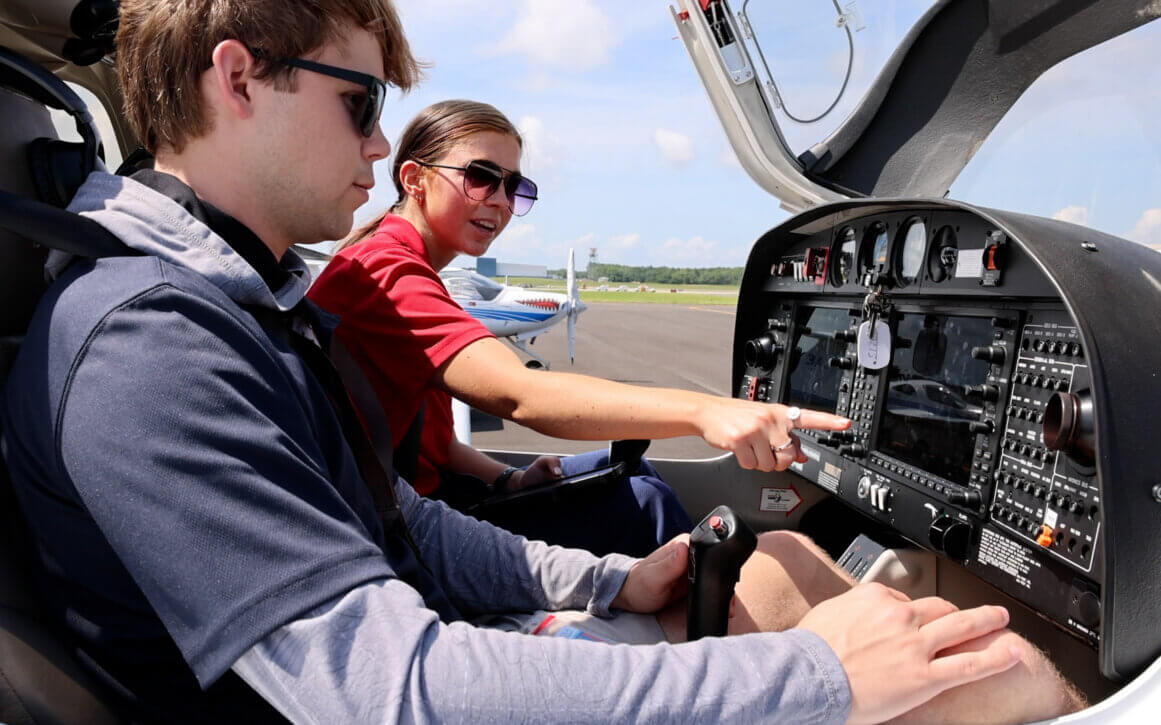
Once training begins, students work with flight instructors to develop the skills required to safely operate an aircraft.
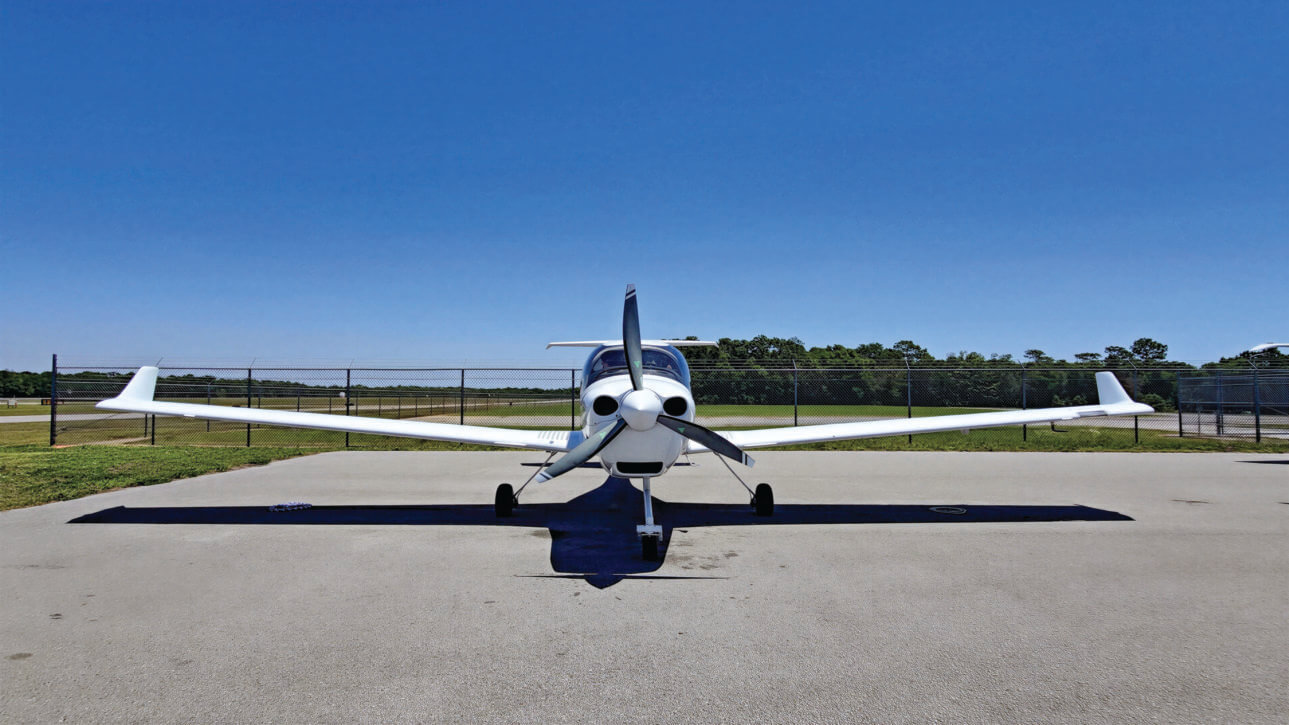
SkyWarrior has 120 flight instructors, most of which possess CFII (Certified Flight Instructor – Instrument), an FAA-certified pilot rating that allows an instructor to teach instrument flight rules (IFR), guiding students through instrument procedures, approaches and how to fly safely through clouds and low visibility.
At SkyWarrior, instructors use a syllabus to track each student’s progress. Lessons and performance are recorded electronically, allowing instructors to see what a student has mastered and what still needs work.
“If you can, then you keep progressing,” Sigler said. “And if you can’t, then you’ll have to redo those things which you don’t do well.”
That individualized approach is important because students don’t all learn at the same pace. One person might naturally pick up a particular maneuver while another may need additional practice. Taking longer doesn’t mean a student can’t become a successful pilot; it simply means additional instruction and flight time may be necessary.
A structured system also helps when students change instructors. Flight instructors sometimes move on to airline jobs, but detailed training records allow another instructor to see where the student left off and continue from there.
Choosing a Flight School
Before signing up for lessons, prospective pilots should take the time to research and compare flight schools.
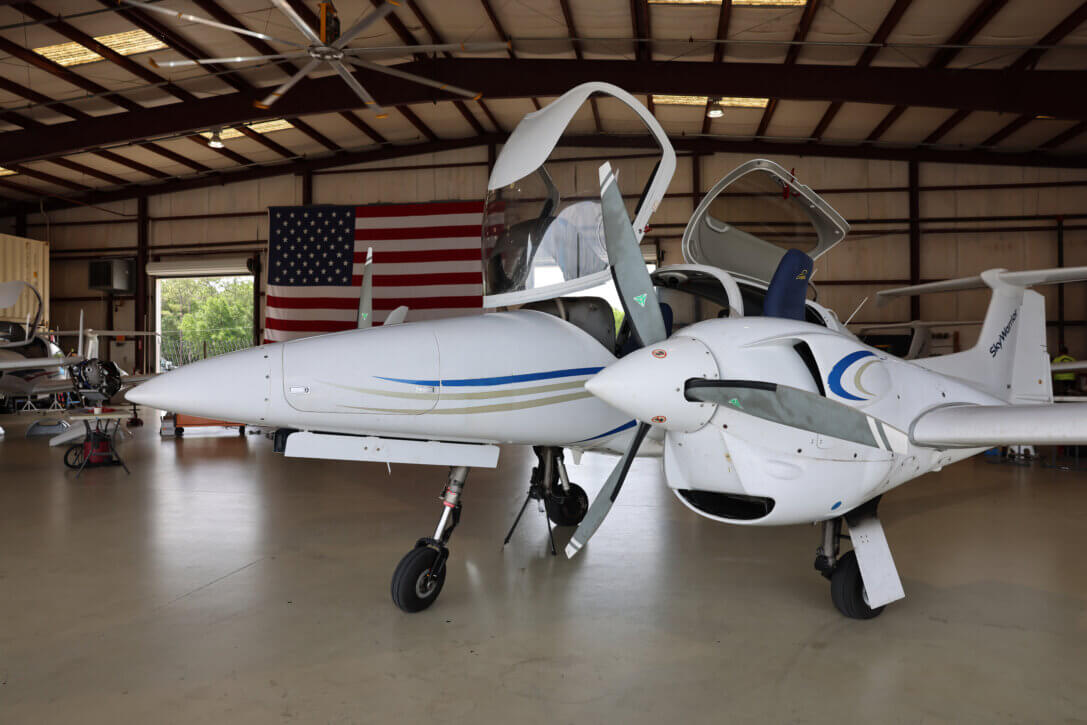
Sigler recommends asking about the school’s aircraft fleet, instructor availability, maintenance capabilities, training structure and the number of students competing for aircraft. Weather can affect flight schedules, but maintenance issues and aircraft availability can also cause delays. Those delays can have financial consequences when training stretches longer than expected.
For that reason, the size and condition of a school’s fleet, as well as its approach to maintenance operations can make a significant difference. SkyWarrior, for example, handles its own aircraft maintenance rather than relying entirely on an outside company.
Prospective students should also ask whether the school has FAA examining authority, how frequently they can realistically expect to fly and what happens if an instructor leaves during their training.
Is Flying Right for You?
For anyone considering flight training, the best first step may be to ask questions rather than immediately sign up for lessons.
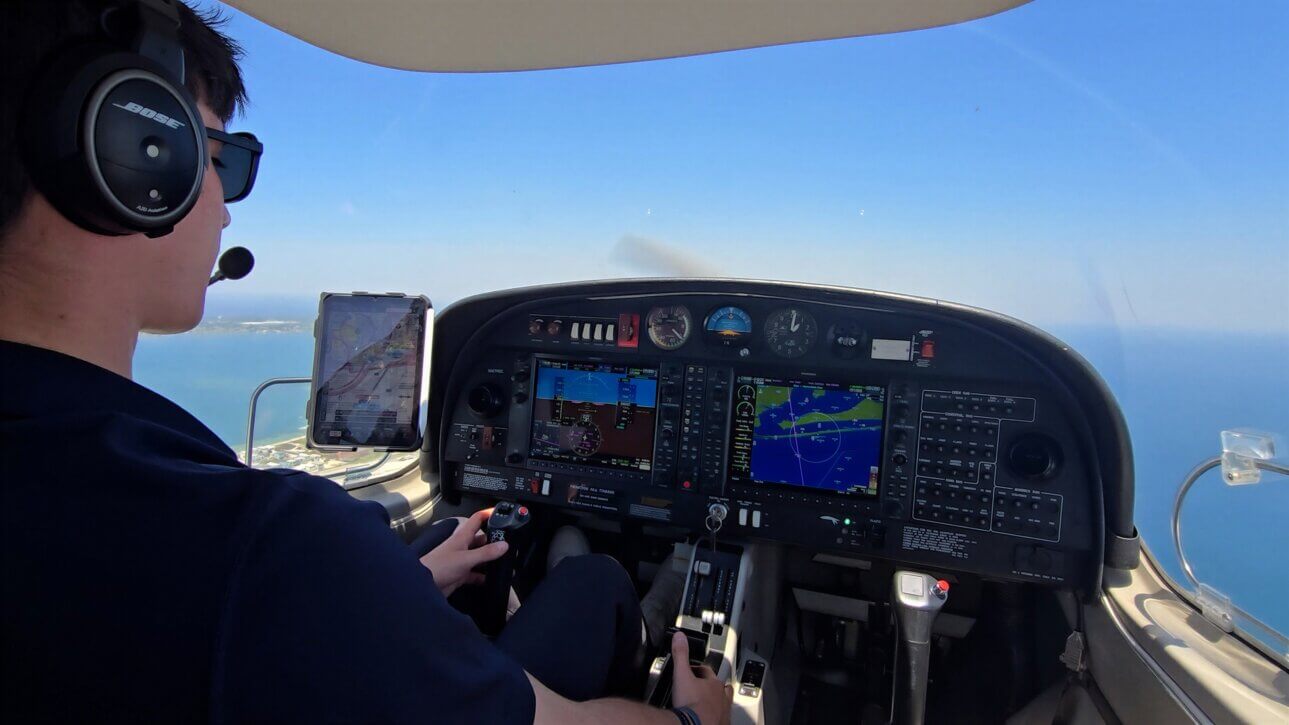
Sigler encourages prospective students to watch educational videos, attend recruiting events and visit flight schools in person. Getting a firsthand look at the airplanes, instructors and training environment can help students understand what they’re signing up for. Flying may look effortless from the ground, or even on the big screen, but earning a private pilot certificate requires significant study, practice and commitment.
For those who want to experience flying firsthand before committing to training, SkyWarrior offers a Discovery Flight, allowing prospective students to take to the sky under the guidance of a certified instructor.
Ultimately, preparation can help make the experience more manageable. Understanding the costs, training options, medical requirements, scheduling considerations and school resources can minimize surprises along the way. And for those who stick with it, the reward is unlike earning a typical driver’s license.
“You like to see people succeed,” Sigler said. “It makes you feel even better when you see them two or three years down the road wearing a captain’s uniform.”
For some students, a private pilot certificate will remain a way to fly for recreation, adventure or personal travel. For others, it will be the first step toward a professional aviation career. Either way, the journey begins with the same thing: deciding to learn how to fly.